
In Part Two of this series, most of the managers and executives we surveyed told us that their 2011 budgets are growing, many by a lot. We also learned how they will address their key personnel concerns using communications and goal setting. Here in Part Three and the final part of the series we shift gears and see what the individual contributors said were their biggest professional concerns in their current job, how they felt those concerns should be addressed, and suggest some lessons and conclusions that management could use to help them effectively tackle personnel challenges this year. This is becoming increasingly important as the battle for top talent intensifies.
Individual Contributors Want Skills, Opportunities, and Innovation
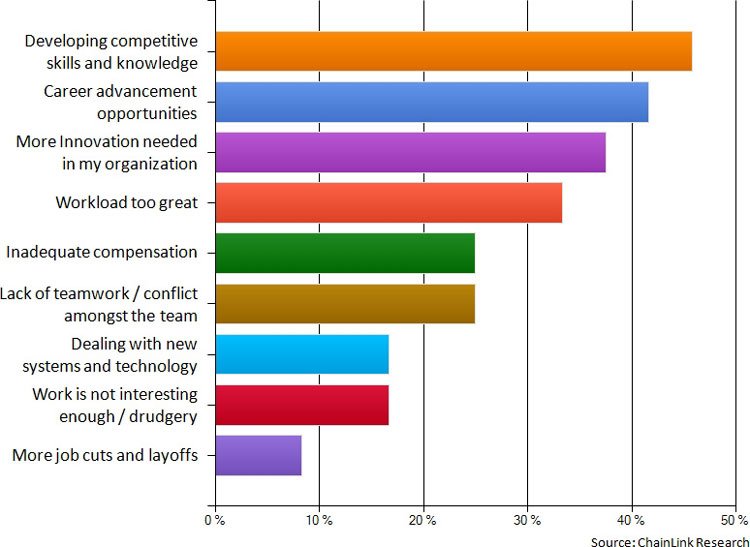
Figure 1 below illustrates what individual contributors told us.
Competitive Skills and Knowledge
Here is where things get interesting. The top concern among individuals is developing the right competitive skills and knowledge. This stands in contrast to the relatively modest priority that managers gave to education in their assessment of the best way to meet personnel challenges (see Figure 1 in Part Two of this series). In fact, if we look at those managers who specifically ranked ‘Retaining Talent’ and ‘Maintaining Morale’ as their highest concerns, they ranked ‘Education and Training’ even lower than the norm — it was third from the bottom of their lists on how they plan to address their personnel concerns. Granted, there are many ways to develop skills, such as on-the-job training and mentoring, as mentioned before. Those shouldn’t be ignored. There appears to be a big disconnect between managers vs. their employees regarding the relative importance of education and skills development in maintaining employee morale and retention.
Career Advancement Opportunities
A close second on the list of concerns for individual contributors is career advancement opportunities. This is another reason that organizations that are growing are better able to retain talent. Employees see that as the organization grows, their opportunities for advancement open up. It is also why recognizing and rewarding good performance is so critical. If the manager treats everyone including the underperformers the same, it demotivates the top performers. If people are consistently rewarded for what they do, then they are more likely to believe they can get ahead.
More Innovation Needed
This was number three on the list, showing how important it is to encourage innovative thinking and sharing of ideas, to keep the organization from stagnating. This impacts how employees feel about a company and whether it is a place in which they really want to work.
Workload and Compensation
The traditional workplace complaints — “They give me too much work” and “I don’t get paid enough” — were in the middle of the pack. Given how much downsizing, increases in individuals’ workload, and freezes or outright cuts in salary have occurred recently, it is remarkable that these are not higher on the list. This reinforces the idea that, while compensation and reasonable workloads are important, they are not as big of a concern to the people we surveyed as growth, opportunity and working in a dynamic and innovative workplace.
Job Cuts and Layoffs
Given the current stubbornly high unemployment, it was surprising to see that ‘Job Cuts and Layoffs’ were dead last in the list of concerns from our respondents. This may be in part due to the fact that ChainLink’s readers, the audience who participates in these studies, tend to be the more highly skilled practitioners, who may be relatively confident about their ability to find work compared to the average person. But skilled people can also get hit by a reduction in force, so this survey result points to a broader optimism about the future amongst survey respondents, which reinforces the encouraging view from the budget numbers we saw in Part Two of this series.
Addressing Individual Contributors’ Concerns
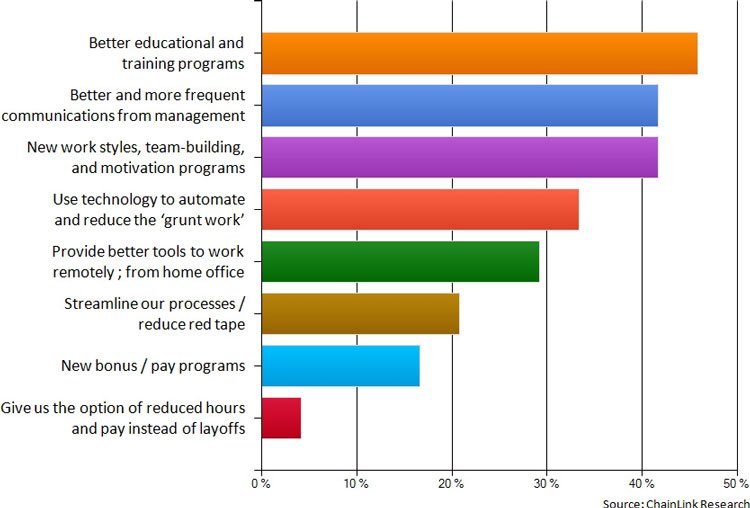
Figure 2 below shows what individual contributors said about how their organization should address their top professional concerns.
Better Educational and Training Programs
|
Executives Take Note! Education and Training should be one of your top ‘weapons’ for retaining talent and maintaining employee morale. |
Earlier, we highlighted some disconnects between the perceptions of management and those of individual employees about the key issues for 2011 and how to solve them. These are reinforced by the results from this question, as shown in Figure 2 above. ‘Better educational and training programs’ was the number one solution that individual contributors asked for, while it was much lower on executives’ lists of how to solve personnel challenges.
Better, More Frequent Communications
Individual contributors seem to agree with managers that better communication from management is extremely important. It is a simple idea, but underscores how many of us are not effective communicators. Employees don’t want to just be told what to do. They want to understand the reasons why, understand the strategy and goals of the organization, and be empowered to make decisions on better ways to do their work. More and more organizations are being ‘hollowed-out’, i.e. the ranks of middle management are being dramatically thinned. The implication is that employees increasingly must manage themselves. The individual contributor is the new manager (i.e. managing themselves) and should be treated and incorporated as if they were part of the management team. This requires a quantum leap in the quality and effectiveness of communications from the highest executives on down.
Work Styles, Team Building
Individual contributors did not rank ‘lack of teamwork’ too high on their list (see Figure 1 — Top Professional Concerns of Individual Contributors in 2011.)It was somewhere in the middle. They nevertheless felt that ‘New work styles, team-building, and motivation programs’ were quite important, ranking them near the top amongst ways that their concerns should be addressed. This could be more about the desire to work in an innovative and dynamic organization. Managers and executives ranked the importance of ‘New work styles, team-building, and motivation programs’ somewhat lower than individual contributors did.
Using Technology to Automate the Grunt Work
In Figure 1, not too many of the individual contributors said that their work was ‘not interesting enough or contained too much drudgery’ — in fact that choice was second to last on the list. In spite of this, people seem to be pretty interested in using technology to automate whatever drudgery they do have to perform. Unfortunately, too many organizations do not use information systems to free their employees from administrative work. When the processes are not well thought through, these systems can actually end up creating more administrative work for individuals, who really want to be freed up for the more creative parts of their jobs.Engineers, salespeople, marketing people, planners — they don’t enjoy filling out expense reports, timesheets, status reports, etc. Nor do they enjoy retyping data, searching manually through piles of data, or other ‘grunt work.’ Here they are telling us that it’s important to have systems that can reduce these kinds of mundane workloads for them.
New Bonus and Pay Programs
Once again, compensation was not a top issue. This does not mean that an organization can get away with not having competitive salaries and benefits. Those are table stakes. But an organization needs so much more in order to have a motivated and loyal workforce.
The Bottom Line — Creating a High Performance Organization
Managers and executives told us that their key concerns, beyond limited budgets, were finding and retaining talented people, and maintaining morale amongst employees. Individual contributors told us that their greatest concerns were to get better education and training programs, be given more opportunities for advancement, and work in an innovative environment.
This points the way to building an organization that meets the needs of employees, within the constraints of budgets, to create that better morale and performance. This includes skills and education investment, better communications and empowering employees.
Our survey seemed to point to optimism about the future in both managers and employees. It also reinforced the notion that while compensation is important, it is not the only tool and not the most important element in determining employee motivation and commitment. Leaders who communicate frequently and effectively, provide good educational programs and opportunities for advancement, create an innovative environment and reward their top performers should do very well in creating a competitive organization where people really want to work and are motivated to do their best.
This concludes our three part series of Building a High-Performance Organization – Results from ChainLink’s 2011 Business Priorities Survey.
_________________________________________________
We conducted a webinar on the findings from this research. A playback of this webinar is available here.
To view other articles from this issue of the brief, click here.